Performing Change and Preservation: How Pop Songs Became Ritual Music Among the Pastoral Samburu of Kenya
The aesthetic practices of the Samburu community have long been intertwined with pastoral mobility, with songs and performances traditionally circulating alongside livestock movements. Musical composition and performance continue to play a central institutional role, allowing individuals to engage with the dynamics of the age class social system—between the renewal of generational repertoires linked to age sets and the perceived immutability of songs and dances associated with men's age grades and women's life stages. This interplay between innovation and preservation in aesthetic production is closely tied to the reproduction and functioning of the age-based institutions that structure Samburu society. Learning to balance these forces is a key aspect of social and political maturation for both men and women.
For school-educated and urban Samburu, however, musical activity has long underscored their marginal position within the hierarchies of the age class system through their historic exclusion—or self-exclusion—from local processes of aesthetic creation and performance. In the early 2010s, songs in English and Swahili, promoting Christianity as a way to articulate aspirations of “modernity” and to critique local traditions, began emerging from this sector of Samburu society. Yet limited opportunities for socioeconomic mobility through formal education, combined with the decentralization of power under Kenya's 2010 constitutional reform, have prompted many to reclaim traditional roles within the pastoral institutional system. Rural identities have increasingly become strategic resources for asserting political influence and accessing new forms of economic opportunity.
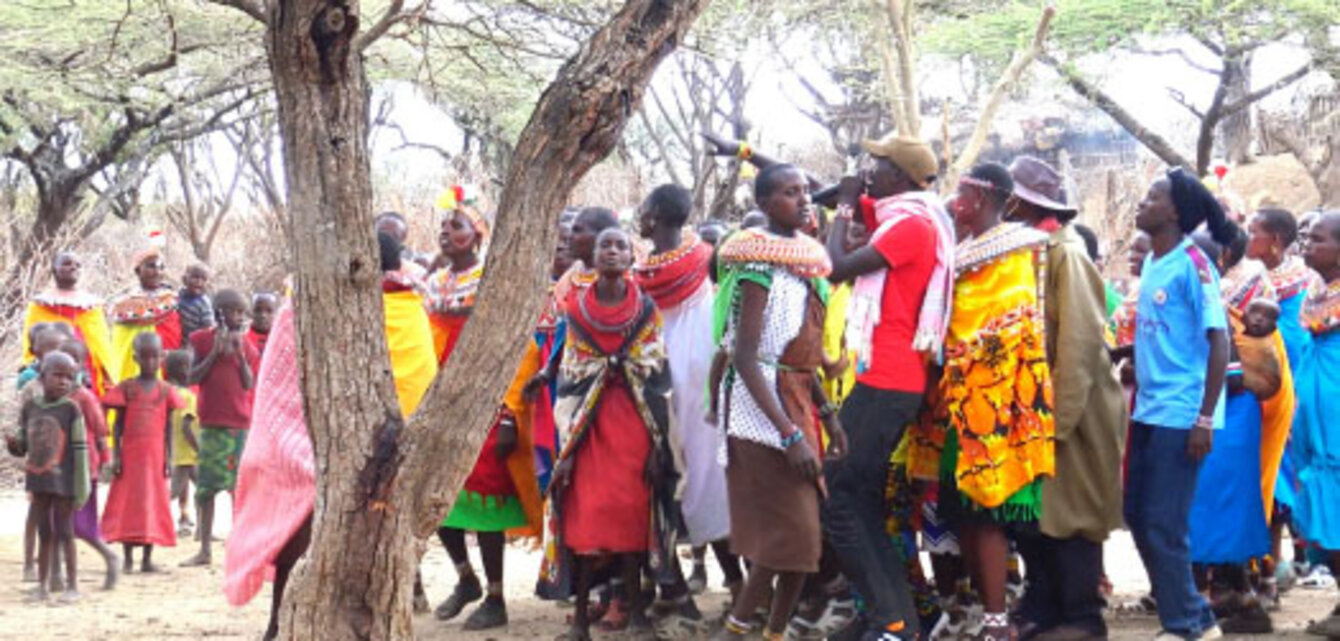
By the mid-2010s, a new generation of urban Samburu artists had developed a musical genre combining African and international popular music with local repertoires tied to age sets and age grades. Bolstered by the widespread diffusion of mobile phones among Kenya's pastoralists, this repertoire has allowed school-educated Samburu to establish a presence within the ritual, social, and political life of their communities. Its growing presence in ceremonial events—such as weddings and circumcisions—has contributed to legitimizing their participation in the ritual sphere and reinforced their recognition within customary forms of authority. See more